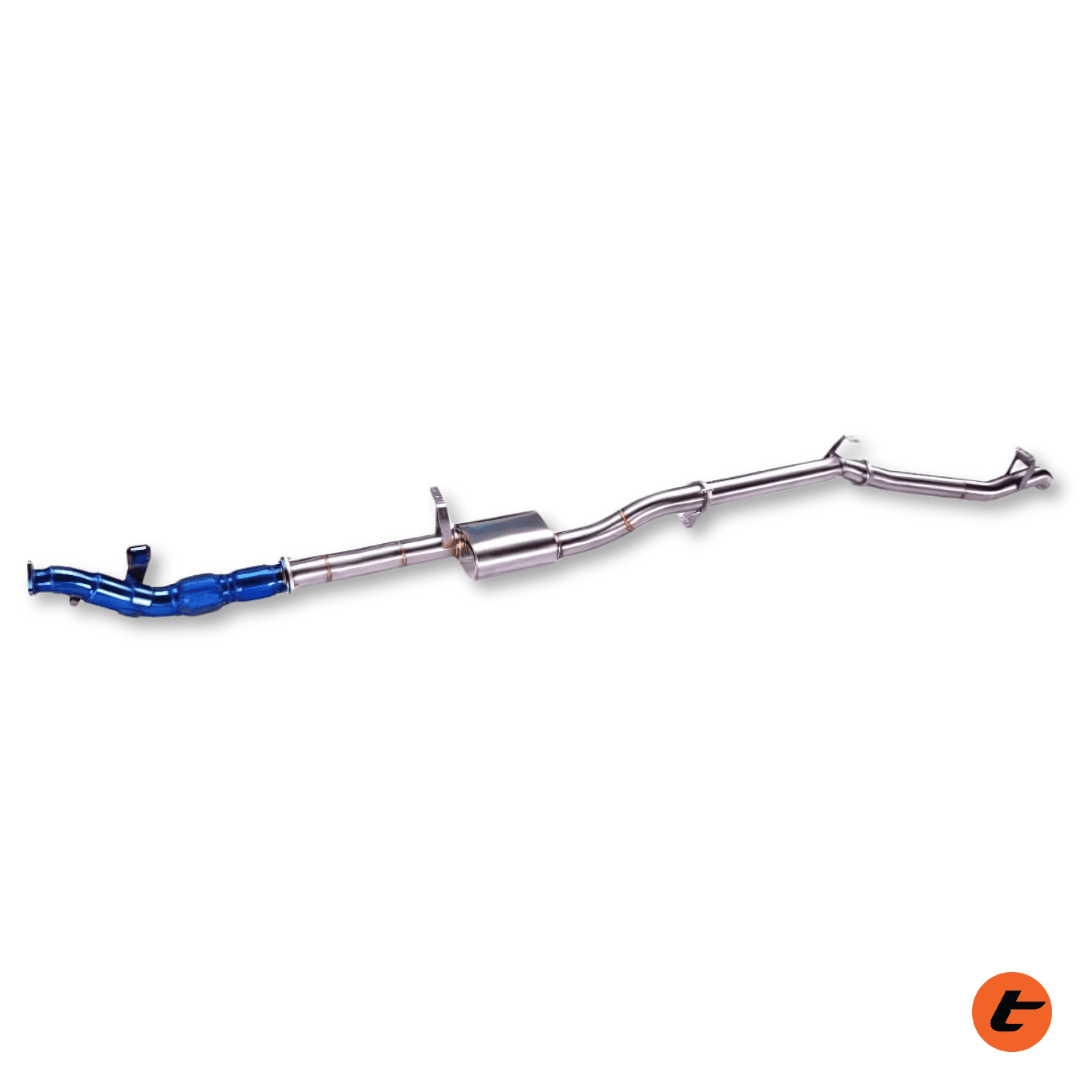
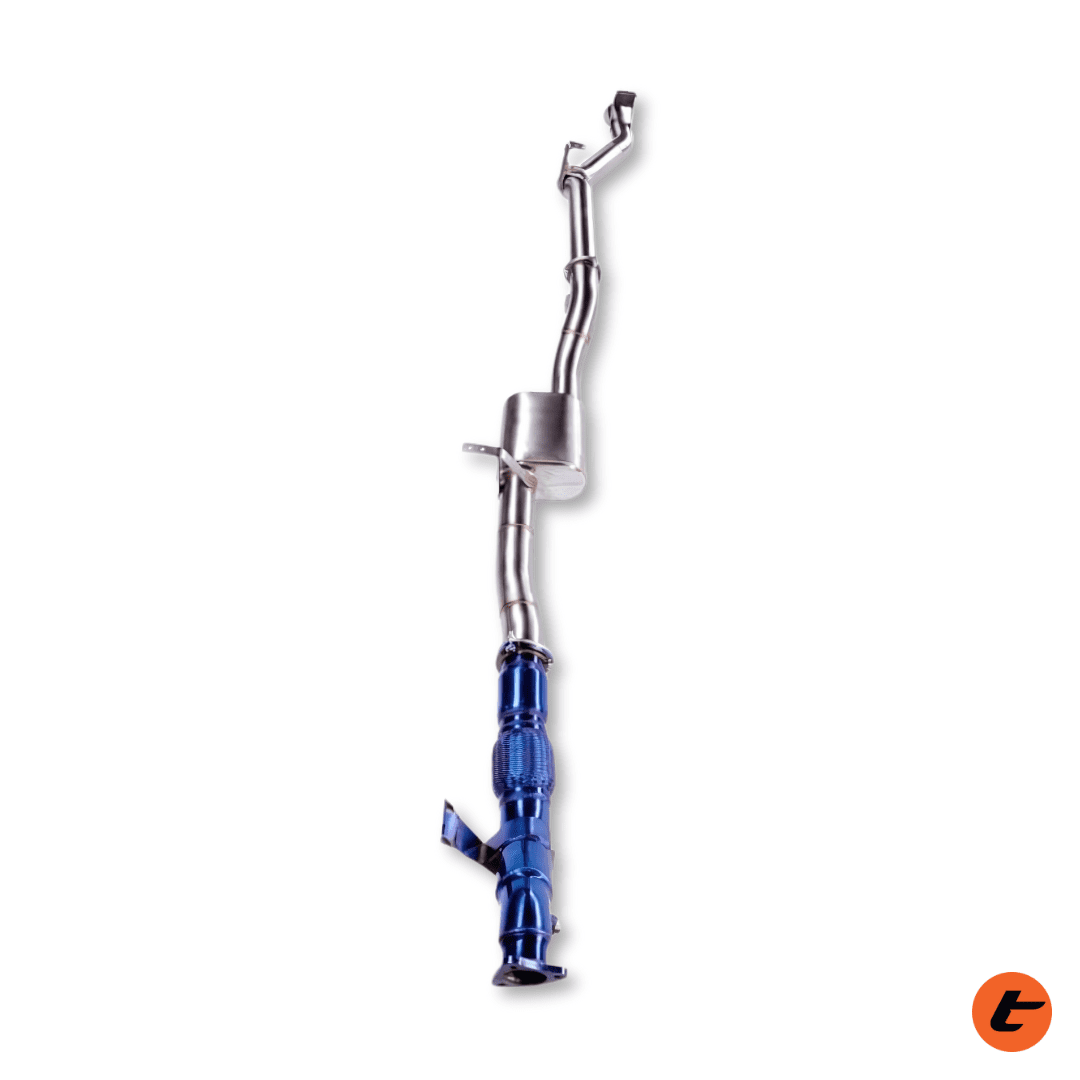
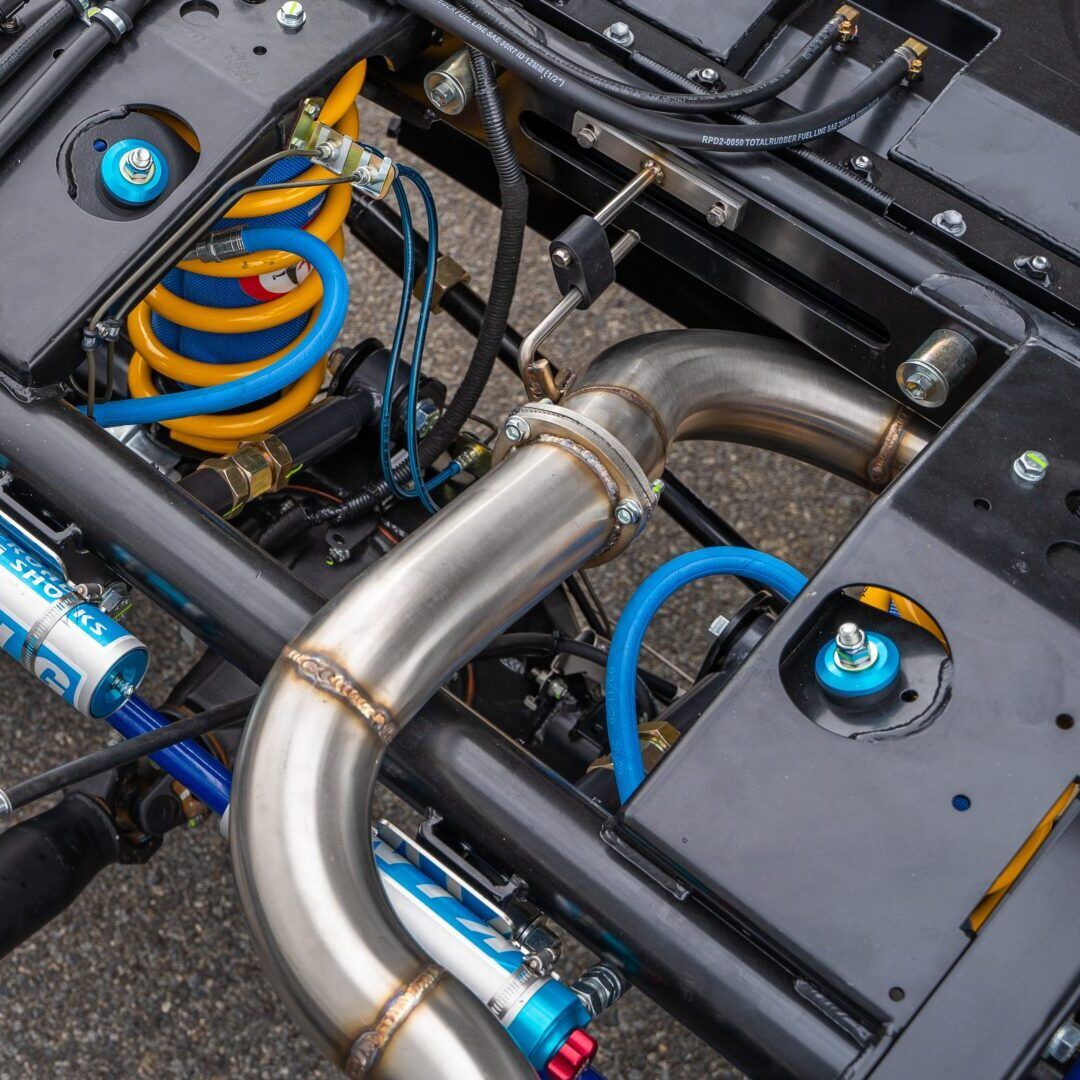
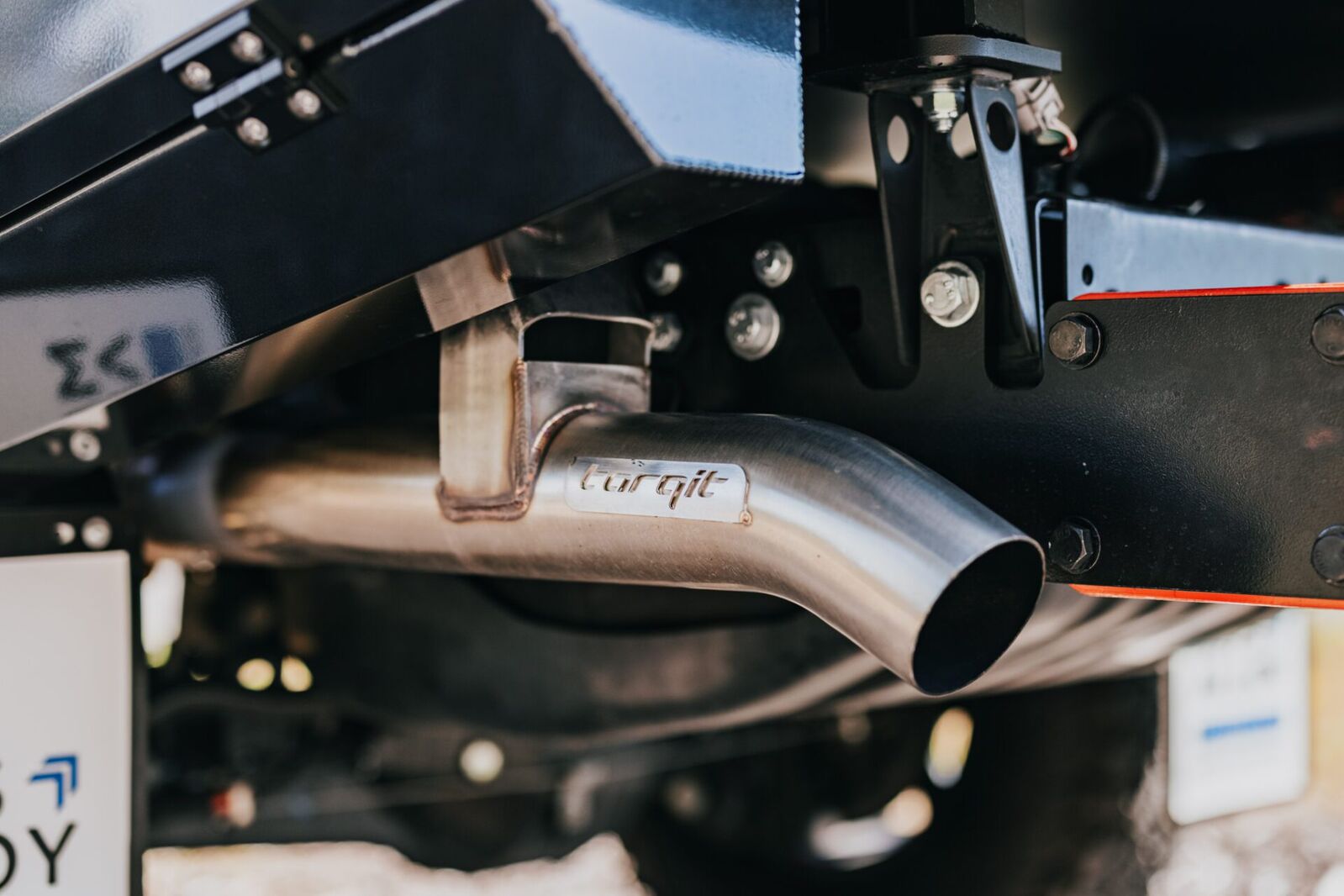
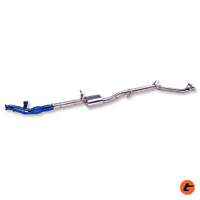
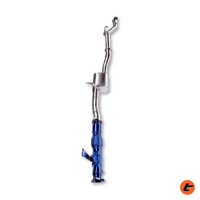
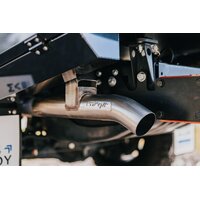
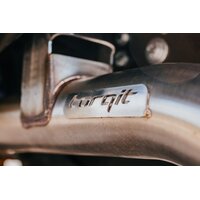
Torqit's turbo-back performance exhaust is engineered to increase power, torque and fuel efficiency while reducing exhaust gas temperatures (EGT). Fully mandrel-bent from 1.7–2mm thick 304-grade stainless steel — among the thickest systems available in Australia — it produces a deep, aggressive note without cabin drone, and the strength to handle tough off-road and touring conditions.

Key Features

  • 304-grade stainless steel that won't rust and outlasts 409 stainless
  • Thick 1.7–2mm wall for a deeper note and exceptional crack resistance
  • Fully automatic mandrel-bent system for smooth, free-flowing, perfectly repeatable bends
  • Internal & external welds on the flanges for maximum strength
  • Heavy-duty wrap-around bracketry and double-braided flex bellows
  • High-flow diesel-specific catalytic converter and titanium-coated dump pipes (pre-DPF systems)
  • Bolt-together system — fit it yourself or through a local stockist (approx. 2–3 hours)

Performance: Gains of up to +23 kW and +91 Nm over standard, for stronger pulling power and improved driveability.

Fitment & Specifications

  • Suits: Toyota Landcruiser 79 Series 4.5L V8TD Dual Cab 03/2007 - 07/2016; Toyota Landcruiser 79 Series 4.5L V8TD Dual Cab (DPF Model) 08/2016 - 01/2024
  • Configuration: 3.5” Turbo Back Performance Exhaust
  • Material: 304-grade stainless steel
  • Enhanced output: up to 174 kW / 521 Nm
  • Warranty: 10-year product warranty
  • SKU: HS8132SS / DD
Brand Torqit
Shipping Weight 32.0000kg
Shipping Width 0.400m
Shipping Height 0.400m
Shipping Length 1.600m

Performance Exhaust Troubleshooting FAQ

Why is the hanger not lining up with the bracket, or why is the exhaust pipe not sitting evenly?

Fit the exhaust LOOSELY first, ensuring all mounts sit on their respective rubbers. Once mounted, start tightening the bolts from the back moving forward, positioning and seating each piece carefully as you tighten to avoid losing clearance at each flange. If the exhaust is rubbing or hitting your vehicle, loosen off the flanges in the area of concern, insert a 10mm chock where it is rubbing, slowly tighten the flanges back up, and then remove the chock.

Why do I have a leaking bell flare flange?

Bell flares consist of a dome-shaped gasket sitting between two flanges (one with a deep curve) and bolt up using two spring-loaded bolts allowing slight horizontal pivot. Ensure the springs are placed on the nut side of the two flanges, not between them. If extra thread room is needed during installation, depress the springs with zip ties and cut the zip ties after installation.

Do I need to use gasket goo or sealant?

No. Torqit provides crush-type foil-coated gaskets which create a perfectly airtight seal, making gasket goo or exhaust sealant unnecessary.

Why is my exhaust hitting the mudguards or side-step brackets?

Sometimes it is necessary to trim certain objects on your vehicle to comfortably accommodate a wider exhaust diameter. This can include side-step brackets, metal or plastic mudguards, and heat shields.

Why is my exhaust tapping on a heat shield or rattling above my diff when idling?

On some vehicles, a heat shield is located directly above where the exhaust passes over the rear axle. These heat shields are affixed by screws, and it is sometimes necessary to cut the head off one or more of these screws to prevent them from tapping against the exhaust when the suspension compresses.

Why can I not get my dump pipe off?

We strongly recommend liberally spraying WD40 (or similar penetrating spray) on dump pipe studs and bolts 24-48 hours before attempting to unbolt them. This is especially advised for vehicles more than 5 years old.

I can hear the exhaust rattling against something, how do I find out where it is coming from?

Wait until the exhaust and vehicle are completely cool, then lay underneath and try shaking the exhaust system slightly. Whatever component is making contact should become apparent, allowing you to rectify clearance issues.

Reviews