Unlock Performance: Top Benefits of High Flow Cats for Your Ride
Catalytic converters have long been a critical component of modern vehicles, primarily tasked with reducing harmful emissions. They work by converting toxic gases like carbon monoxide, nitrogen oxides, and hydrocarbons into less harmful substances such as carbon dioxide and water vapor. However, traditional catalytic converters can sometimes restrict the flow of exhaust gases, which can limit engine performance. This is where high flow catalytic converters come into play.
Understanding High Flow Catalytic Converters
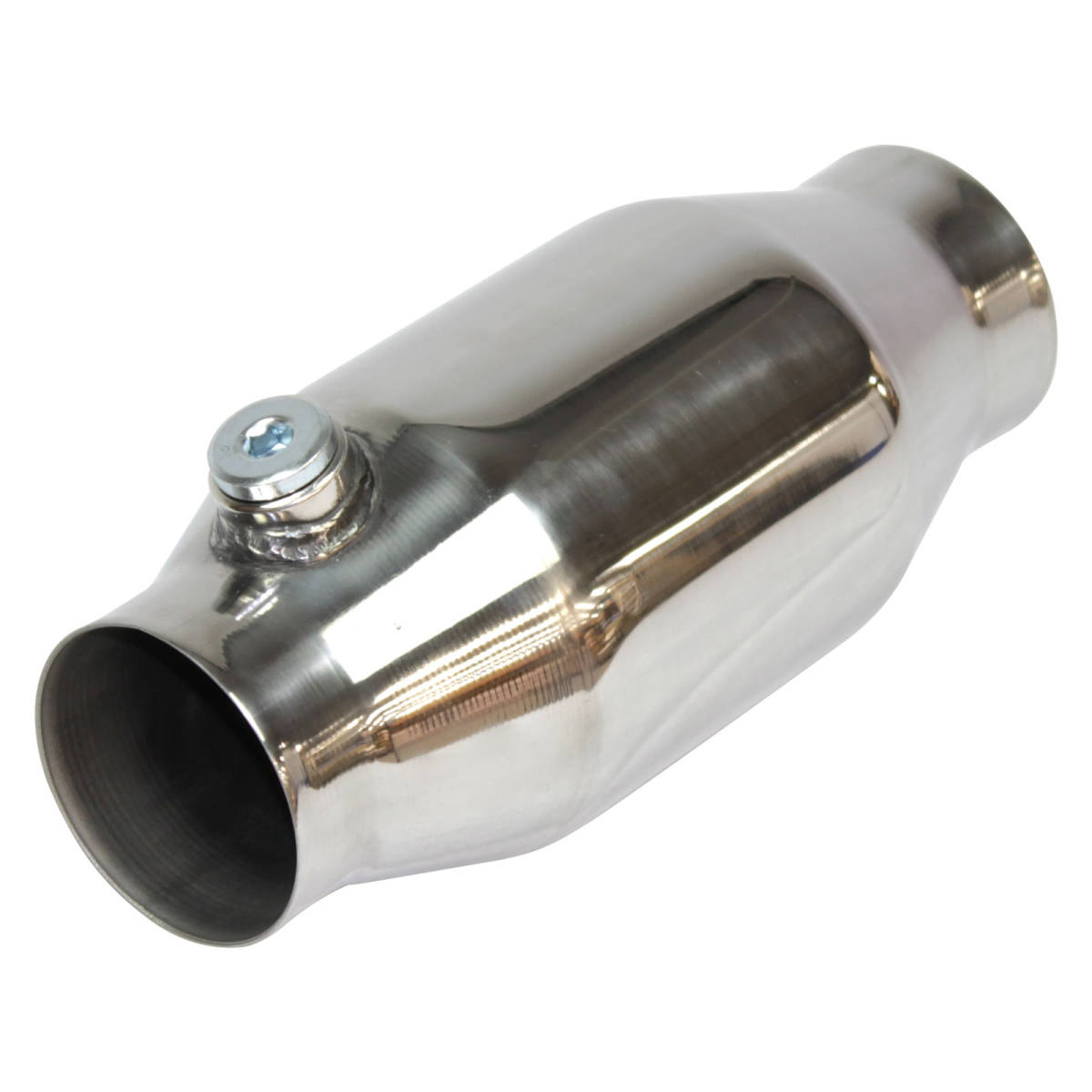
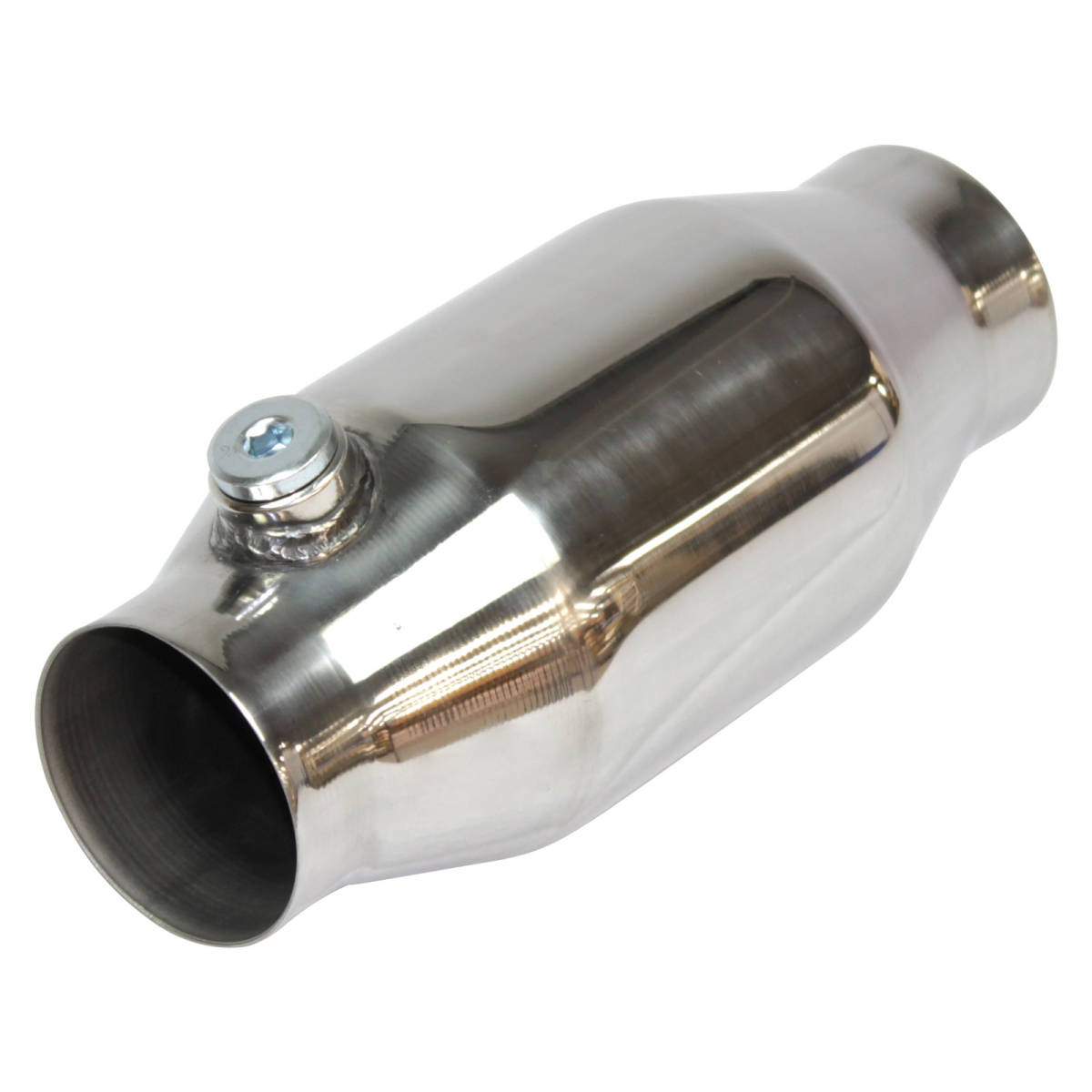
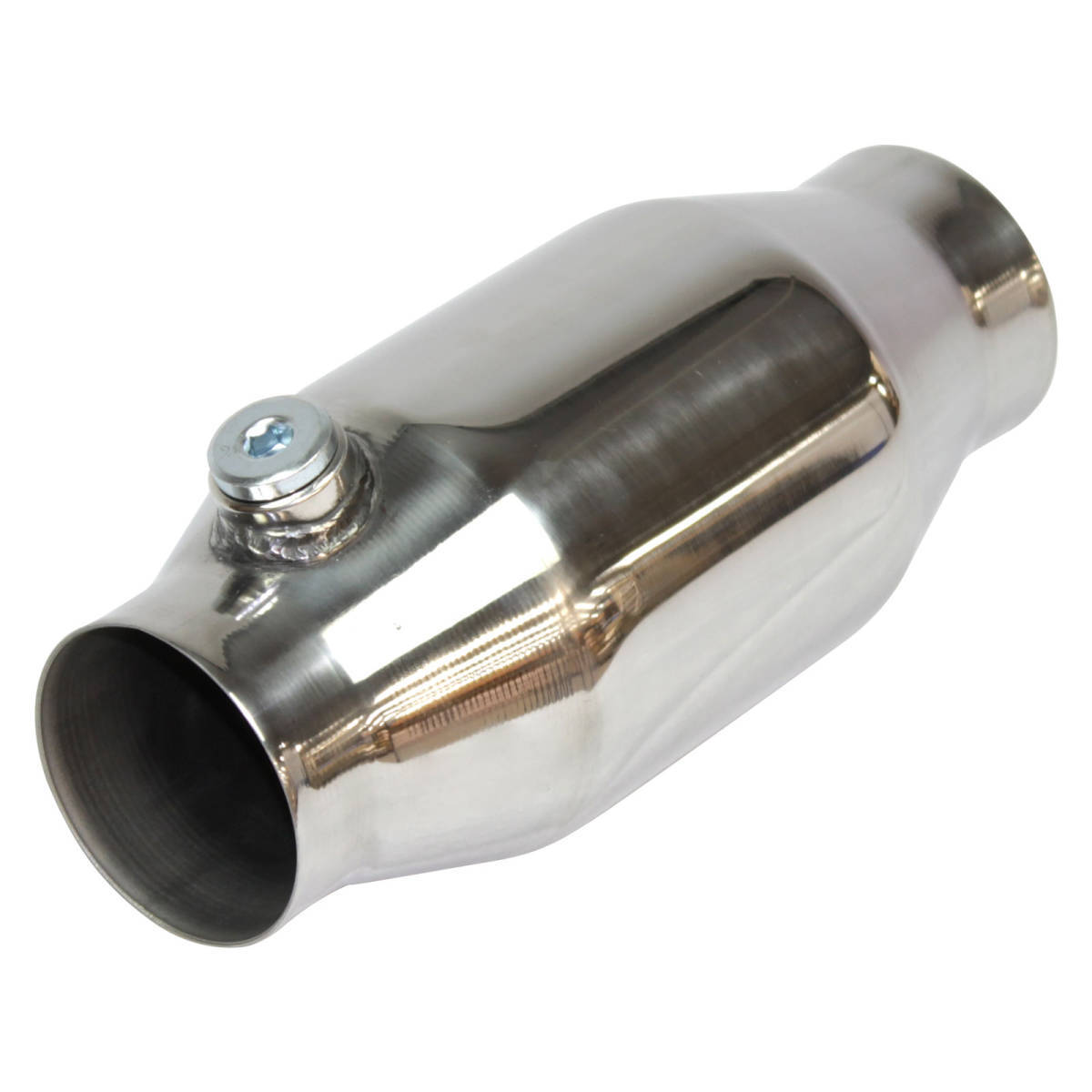
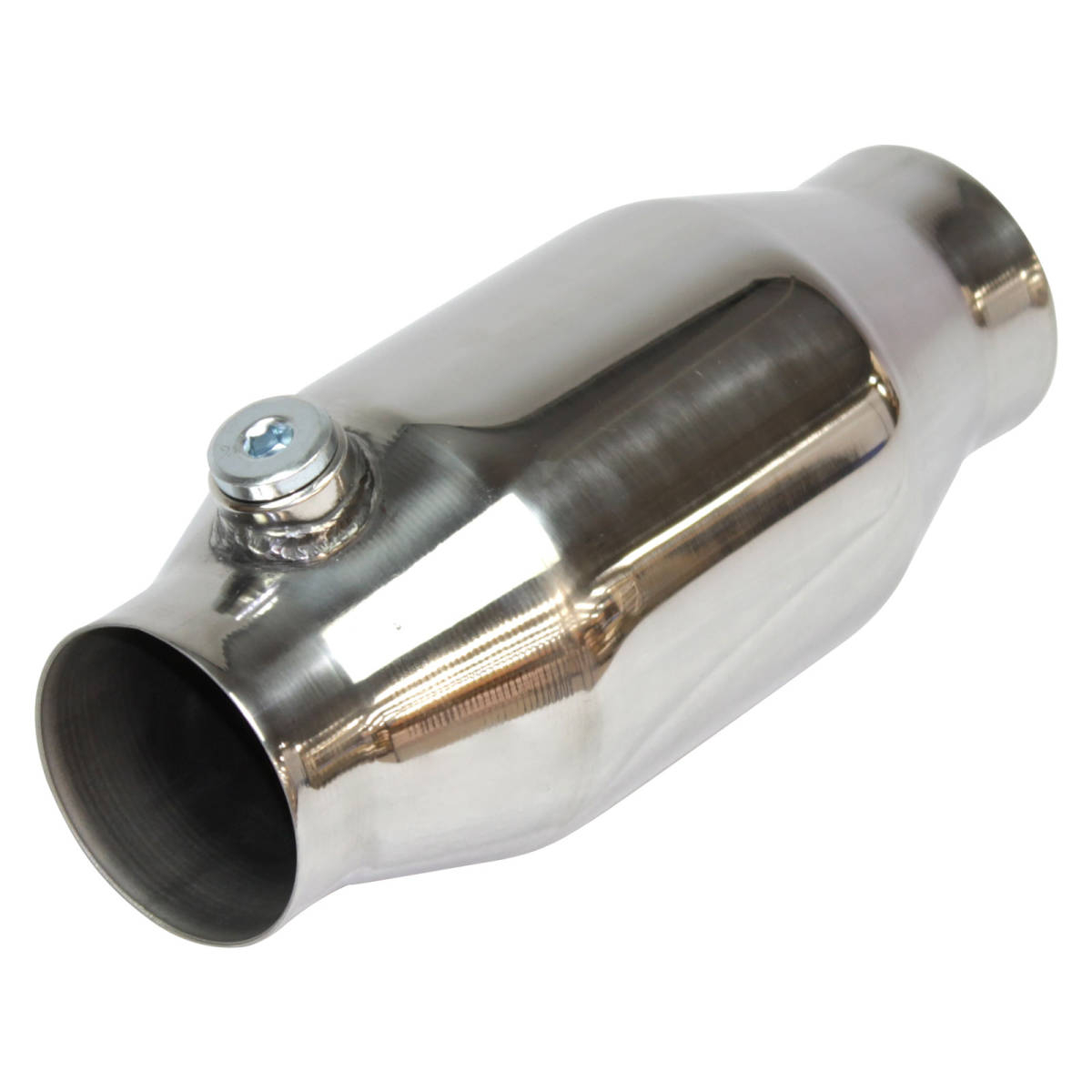
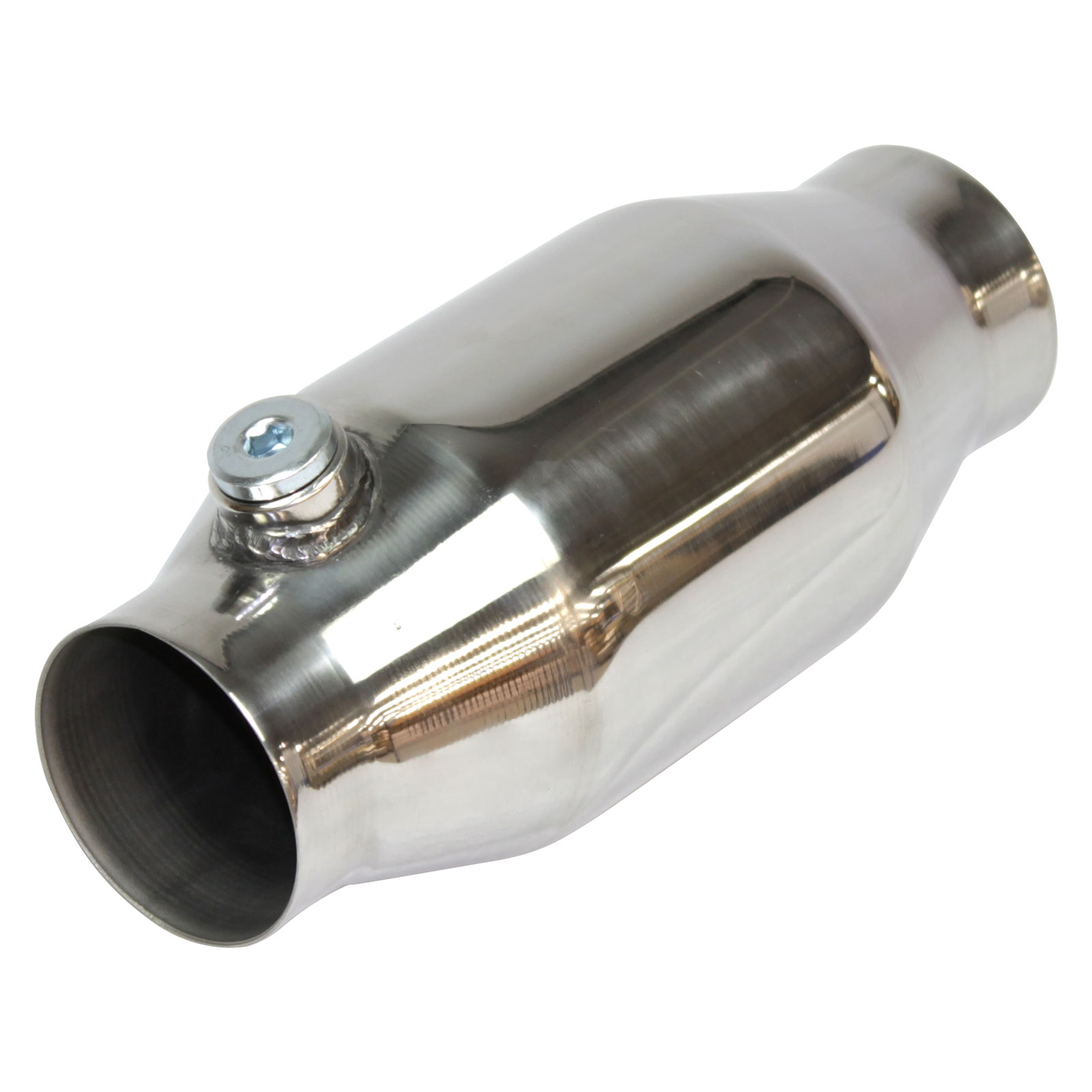
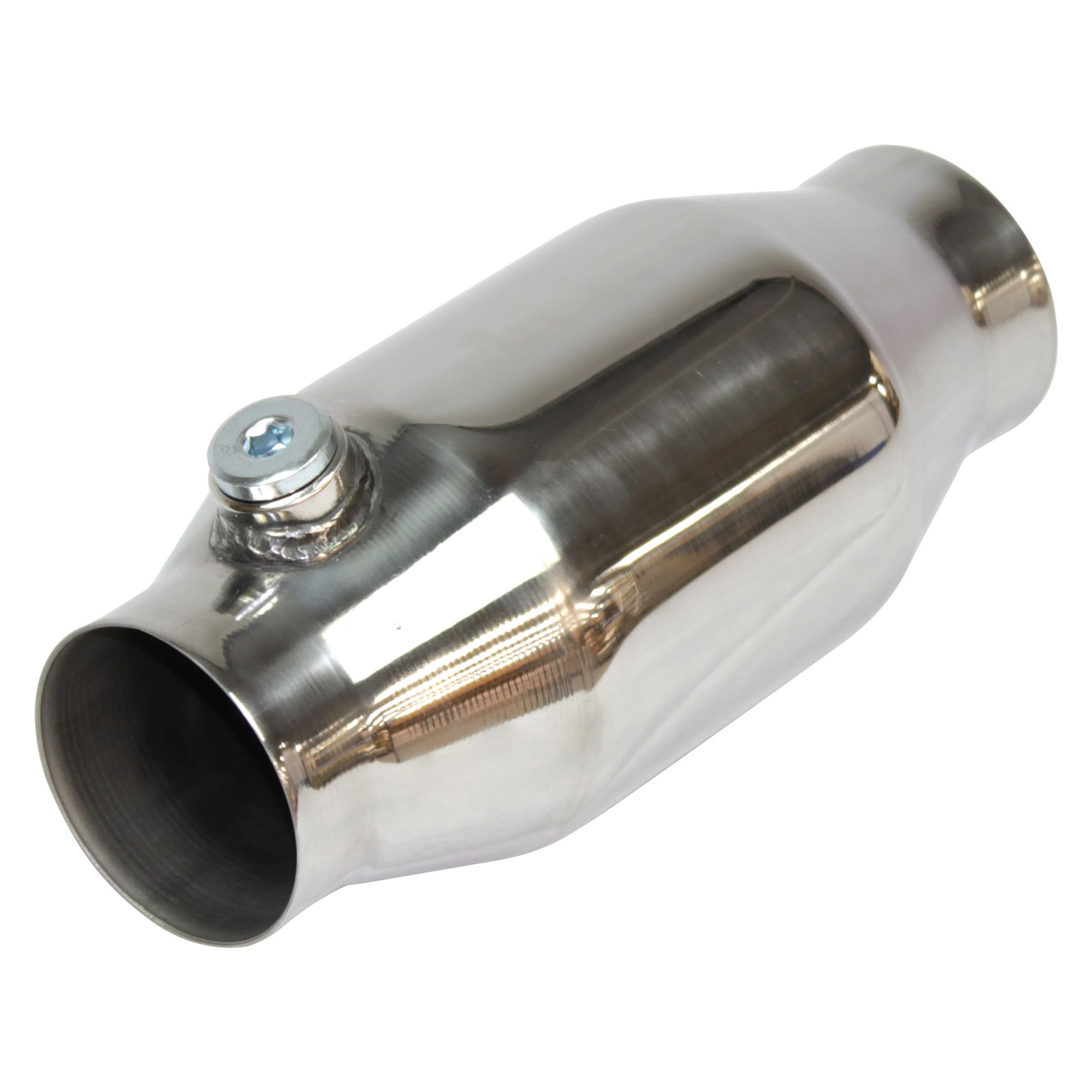
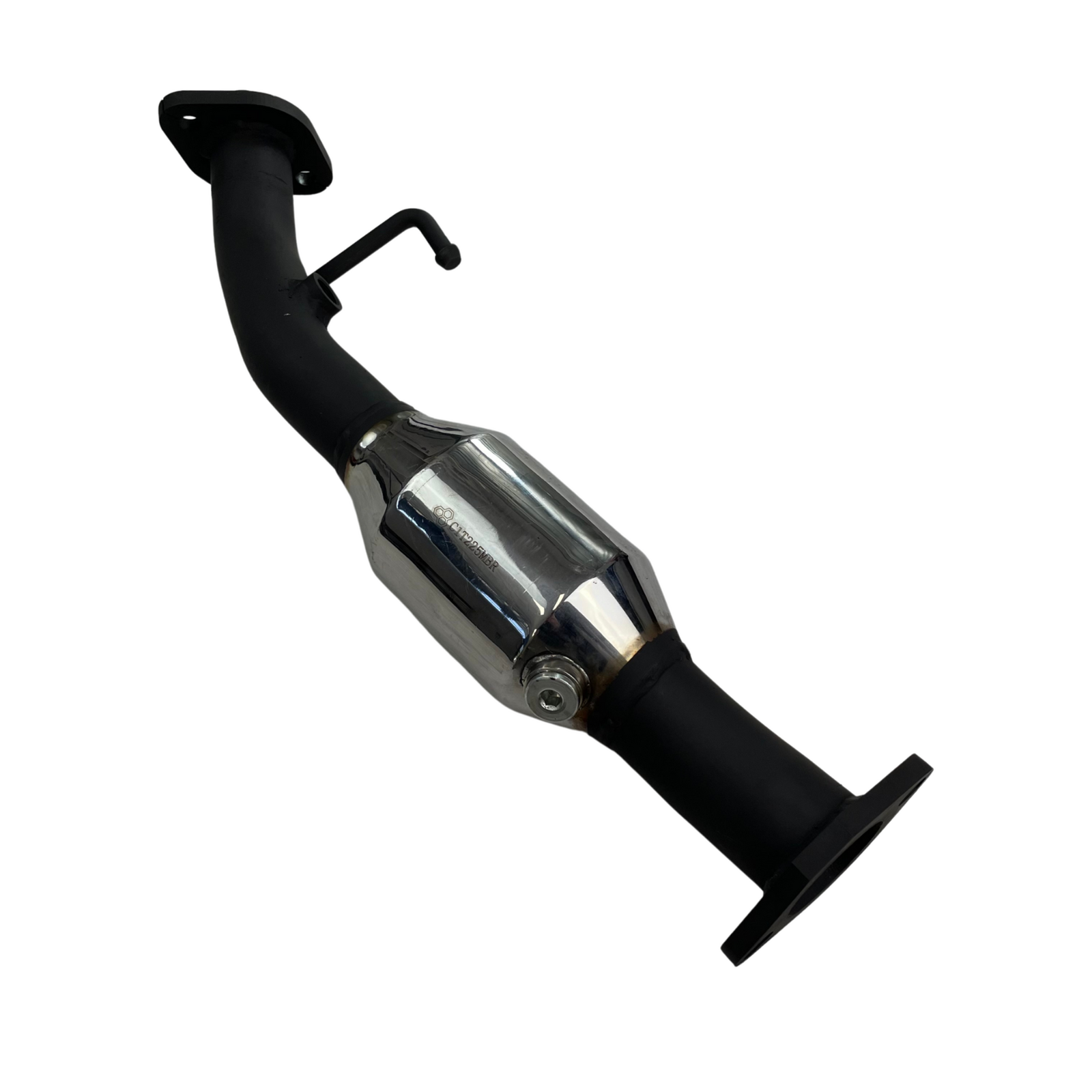
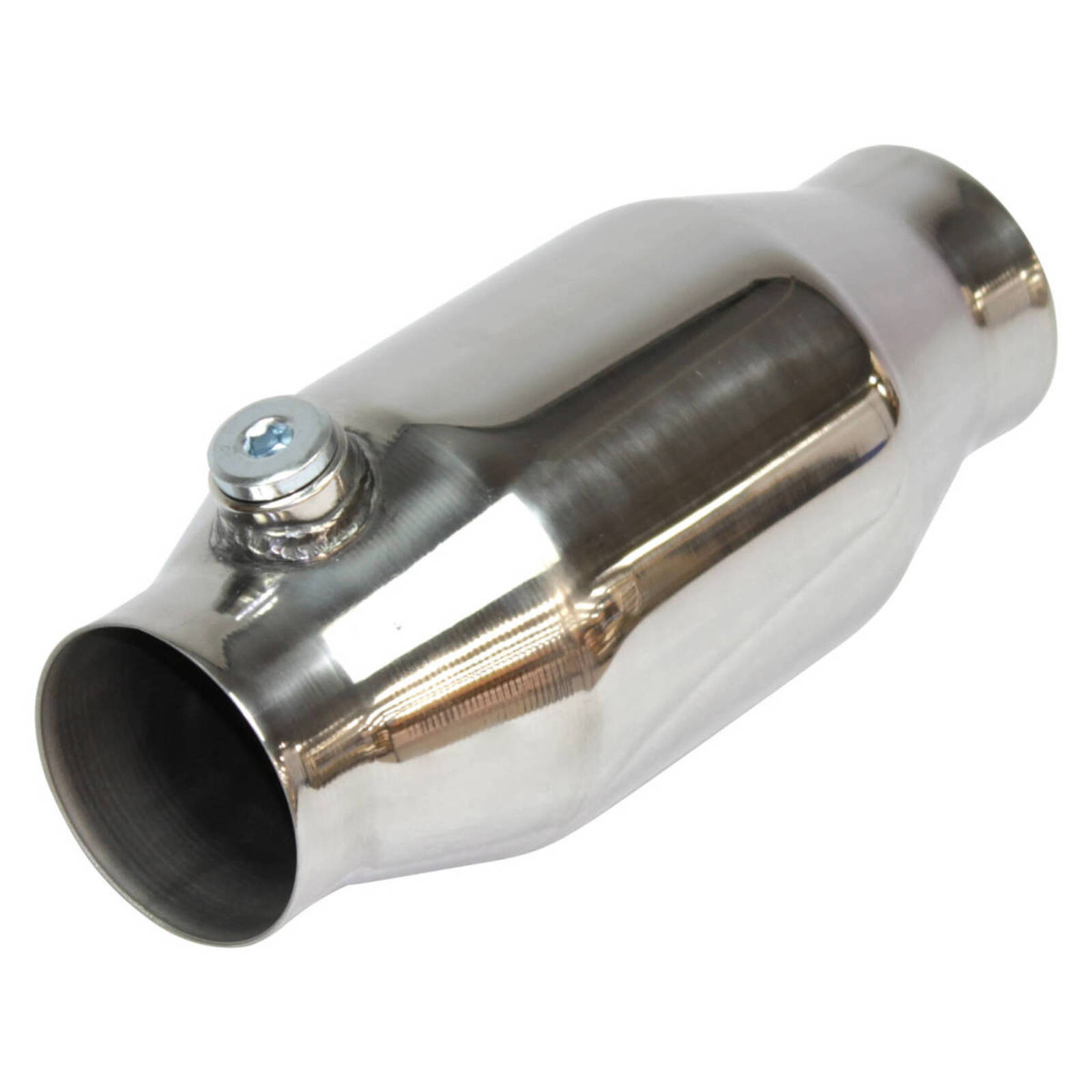
High flow catalytic converters, often referred to as high flow cats, are designed to facilitate a more efficient flow of exhaust gases. These specialized converters feature a less restrictive internal structure, allowing for a higher volume of gases to pass through more quickly. This can significantly reduce backpressure, which is a common issue with standard catalytic converters. By alleviating this backpressure, high flow cats can enhance the overall performance of your vehicle, providing noticeable improvements in power and efficiency.
The design of high flow catalytic converters often includes larger surface areas and more advanced materials, such as precious metals like platinum, palladium, and rhodium. These materials are not only more efficient at catalyzing the chemical reactions needed to reduce emissions but also more durable, ensuring that the converter can withstand higher temperatures and more rigorous conditions. This makes high flow cats an attractive option for performance enthusiasts looking to upgrade their exhaust systems without compromising on environmental standards.
How High Flow Cats Improve Engine Performance
One of the primary ways high flow catalytic converters improve engine performance is by reducing exhaust backpressure. In a standard exhaust system, backpressure can impede the efficient expulsion of exhaust gases, causing the engine to work harder and consume more fuel. High flow cats minimize this issue by offering a more open pathway for exhaust gases to escape, which can lead to a more responsive and powerful engine.
Another significant benefit of high flow catalytic converters is the improvement in horsepower. By allowing exhaust gases to exit more freely, the engine can breathe better, leading to more efficient combustion. This improved combustion process can result in a noticeable increase in horsepower. Many performance enthusiasts report gains of anywhere from 5 to 20 horsepower after installing high flow cats, depending on the make and model of the vehicle and other modifications that may be in place.
Torque is another area where high flow catalytic converters can make a substantial difference. Torque, the force that gets your vehicle moving, can be significantly enhanced by reducing exhaust backpressure. With high flow cats, the engine doesn't have to work as hard to push exhaust gases out, which means it can use more of its power to turn the wheels. This can result in quicker acceleration and a more responsive driving experience, making high flow cats a popular upgrade for those looking to boost their vehicle's performance.
Enhanced Exhaust Flow: The Key to Power Gains
The principle behind enhanced exhaust flow and power gains is relatively straightforward. In an internal combustion engine, efficiency is key. The engine burns fuel to produce power, and this process generates exhaust gases that need to be expelled quickly to make room for fresh air and fuel. If these exhaust gases are not expelled efficiently, they can create a bottleneck, reducing the engine's ability to produce power.
High flow catalytic converters address this issue by decreasing the resistance that exhaust gases encounter as they exit the engine. The less restrictive design of high flow cats means that gases can flow more freely, reducing the amount of energy the engine needs to expend to push these gases out. This results in a more efficient engine operation, allowing more power to be directed to the wheels rather than being wasted overcoming exhaust backpressure.
Moreover, the improved exhaust flow can also lead to better thermal management. High flow catalytic converters often operate at higher temperatures than standard converters, which can help to burn off more pollutants and improve overall efficiency. This enhanced thermal efficiency means that the engine can maintain optimal operating temperatures more easily, reducing the risk of overheating and improving long-term reliability. For performance enthusiasts, this means not only more power but also a more durable and reliable engine.
The Impact on Fuel Efficiency
When it comes to performance upgrades, fuel efficiency is often a key consideration. Many drivers are concerned that modifications aimed at boosting power will come at the expense of fuel economy. However, high flow catalytic converters can actually offer improvements in this area as well. By reducing exhaust backpressure and enhancing engine efficiency, high flow cats can help to optimize the combustion process, leading to better fuel economy.
One of the ways high flow cats achieve this is by improving the scavenging effect. Scavenging is the process by which exhaust gases are expelled from the engine, creating a vacuum that helps to draw in fresh air and fuel. With a more efficient exhaust flow, high flow cats can enhance this scavenging effect, ensuring that the engine receives a more consistent and optimal air-fuel mixture. This can lead to more complete combustion, reducing fuel consumption and improving overall efficiency.
It's important to note that the impact on fuel efficiency can vary depending on driving habits and other modifications. For instance, aggressive driving and frequent acceleration can negate the fuel-saving benefits of high flow cats. However, for drivers who maintain a steady and moderate driving style, the improvements in engine efficiency and reduced backpressure can result in noticeable gains in fuel economy. This makes high flow catalytic converters a compelling option for those looking to balance performance and efficiency.
Sound Quality: A Sportier Exhaust Note
For many automotive enthusiasts, the sound of their vehicle is just as important as its performance. High flow catalytic converters can significantly alter the exhaust note, providing a deeper, throatier, and sportier sound that many drivers find appealing. This is largely due to the less restrictive design of high flow cats, which allows exhaust gases to exit more quickly and with less turbulence, resulting in a more pronounced and aggressive exhaust tone.
The difference in sound quality can be particularly noticeable during acceleration and high RPMs. With high flow cats, the engine's roar becomes more distinct, creating an exhilarating driving experience that is sure to turn heads. This enhanced exhaust note can make driving more enjoyable, providing a visceral connection to the vehicle's performance that is often lacking with stock exhaust systems.
However, it's important to consider that the increased sound level may not be suitable for all drivers or driving conditions. Some areas have noise regulations that could be violated by a louder exhaust system, and the increased noise may not be ideal for long highway drives or daily commuting. It's essential to weigh these factors when considering the installation of high flow catalytic converters and to ensure that the modifications align with your driving needs and local regulations.
Legal Considerations for High Flow Cats
While the performance and sound benefits of high flow catalytic converters are undeniable, it's crucial to consider the legal implications of this modification. Emission regulations vary significantly by region, and in many areas, vehicles are required to meet specific emissions standards. High flow cats, although designed to reduce emissions, may not always comply with these regulations, especially if they are not certified for use in your area.
In the United States, for example, the Environmental Protection Agency (EPA) and California Air Resources Board (CARB) have stringent emissions standards that aftermarket catalytic converters must meet. CARB-certified high flow cats are specifically designed to comply with these regulations and are legal for use in all states, including California. However, non-CARB-certified high flow cats may only be legal for off-road or racing use and could result in fines or failed emissions tests if used on public roads.
It's also worth noting that some areas have noise regulations that could be impacted by the installation of high flow catalytic converters. As mentioned earlier, the increased exhaust noise may not be permissible in all jurisdictions, and it's important to check local laws before making any modifications. By ensuring that your high flow cats are compliant with all relevant regulations, you can enjoy the performance benefits without running afoul of the law.
Installation Process: What to Expect
Installing high flow catalytic converters is a process that can vary in complexity depending on the make and model of your vehicle and your level of mechanical expertise. For those with a good understanding of automotive systems, it may be possible to perform the installation at home with the right tools and equipment. However, many drivers prefer to have the installation done by a professional to ensure that everything is installed correctly and safely.
The first step in the installation process is to remove the existing catalytic converter. This typically involves lifting the vehicle and securing it on jack stands, then disconnecting the exhaust pipes and any associated sensors. Once the old catalytic converter is removed, the new high flow cat can be installed in its place. It's important to ensure that all connections are secure and that there are no exhaust leaks, as this can impact performance and emissions.
After the high flow catalytic converter is installed, it's a good idea to have the vehicle's computer system checked and, if necessary, reprogrammed. This is because the new converter may alter the exhaust flow and emissions characteristics, which can affect the vehicle's onboard diagnostics and emissions systems. A professional installer will have the tools and knowledge to ensure that everything is configured correctly, allowing you to get the most out of your new high flow cats.
Comparing High Flow Cats to Stock Catalytic Converters
When considering an upgrade to high flow catalytic converters, it's helpful to understand how they compare to stock catalytic converters. Stock converters are designed to meet emissions standards and provide reliable performance for the average driver. They are typically more restrictive in their design, which can limit exhaust flow and reduce engine efficiency. While they do a good job of reducing emissions, they may not be the best option for those looking to maximize performance.
High flow catalytic converters, on the other hand, are designed with performance in mind. Their less restrictive design allows for improved exhaust flow, which can lead to increased horsepower, torque, and overall engine efficiency. This makes them an attractive option for performance enthusiasts who want to get the most out of their vehicle. However, it's important to note that not all high flow cats are created equal, and it's essential to choose a high-quality product that meets your needs and complies with any relevant emissions regulations.
In terms of durability, high flow cats can offer advantages over stock converters as well. The use of advanced materials and larger surface areas can result in a more robust and long-lasting component. This can be particularly beneficial for vehicles that are driven hard or used in demanding conditions. However, like any performance upgrade, high flow catalytic converters require proper maintenance to ensure they continue to perform at their best.
Maintenance Tips for Longevity and Performance
To get the most out of your high flow catalytic converters, it's essential to follow proper maintenance practices. Regular inspections and upkeep can help to ensure that your high flow cats continue to perform optimally and last for many years. Here are some key maintenance tips to keep in mind.
First, it's important to monitor the condition of your high flow catalytic converters regularly. This includes checking for any signs of damage or wear, such as cracks, corrosion, or discoloration. If you notice any issues, it's important to address them promptly to prevent further damage and maintain performance. Regular inspections can help to catch potential problems early and extend the lifespan of your high flow cats.
Second, be mindful of the quality of fuel you use. High flow catalytic converters are designed to work with high-quality fuel, and using low-grade or contaminated fuel can negatively impact their performance and longevity. It's also important to avoid using any fuel additives that could potentially harm the catalytic converters. Sticking to high-quality fuel and avoiding harmful additives can help to ensure that your high flow cats continue to perform at their best.
Finally, keep up with your vehicle's overall maintenance schedule. This includes regular oil changes, air filter replacements, and other routine maintenance tasks. A well-maintained engine will produce cleaner exhaust gases, which can help to keep your high flow catalytic converters operating efficiently. By taking good care of your vehicle and following these maintenance tips, you can enjoy the performance benefits of high flow cats for many years to come.
Is a High Flow Cat Right for Your Vehicle?
Deciding whether to install high flow catalytic converters on your vehicle is a decision that depends on your specific needs and goals. If you're a performance enthusiast looking to unlock more power and efficiency from your engine, high flow cats can offer significant benefits. The improved exhaust flow, increased horsepower and torque, and sportier exhaust note can enhance your driving experience and make your vehicle more enjoyable to drive.
However, it's important to weigh these benefits against the potential drawbacks. High flow catalytic converters may not be legal in all areas, and the increased noise level may not be suitable for all driving conditions. Additionally, the installation process can be complex, and proper maintenance is essential to ensure long-term performance. It's also important to consider the impact on fuel efficiency and whether the potential gains align with your driving habits and needs.
Ultimately, the decision to install high flow catalytic converters should be based on a careful consideration of all these factors. By doing your research, consulting with professionals, and understanding the specific requirements of your vehicle, you can make an informed decision that best meets your needs. Whether you're looking to boost performance, improve fuel efficiency, or simply enjoy a sportier exhaust note, high flow cats can be a valuable addition to your vehicle's exhaust system.
When upgrading your vehicle's performance, flexibility and customisation are key to getting the results you want. At Playtime Auto Parts, our Ignite Exhausts range is designed to provide you with a variety of options when buying your system, ensuring you get the perfect balance of flow, sound, and compliance.
On all our popular makes and models—including the Toyota Hilux, Ford Ranger, Mitsubishi Triton, Mazda BT50, Isuzu D-Max, and Nissan Patrol—you have the specific option to add high-flow cats directly to your system. Whether you are looking to unlock extra horsepower for towing or craving that sportier exhaust note, Ignite Exhausts makes it easy to tailor your setup to suit your specific driving needs.
FAQs
-
What’s a high-flow catalytic converter?
High-flow cats are designed to reduce exhaust restriction (backpressure) compared to more restrictive designs, which can support performance-oriented exhaust setups. -
What does “cell count / CPSI” mean?
CPSI = cells per square inch in the honeycomb substrate. Lower CPSI generally flows more freely; higher CPSI usually provides more surface area for emissions conversion. -
Which should I choose: 50, 100 or 200 cell?
As a rule of thumb: 50 cell = maximum flow, 100 cell = balanced, 200 cell = common “streetable” compromise for flow vs. emissions/odor control (varies by vehicle/setup). -
Do you stock the right size for my exhaust?
Our range includes common diameters like 2" / 2.25" / 2.5" / 3" / 3.5" / 4" (check each product title/specs to match your pipe size). -
Do any options include an O2 sensor port?
Yes—some models list “O2 Sensor Provision Included” in the description (confirm on the product page before ordering). -
Will a high-flow cat stop a check engine light?
Not always. Some vehicles are sensitive to catalyst efficiency readings. If you’re chasing a CEL fix, check our “Check Light Elim” range. -
Are these petrol or diesel?
We have a range of Hi-Flow Cats to suit both Petrol and Diesel engine types. -
Is a high-flow cat legal for road use?
Rules vary by jurisdiction and emissions requirements.